
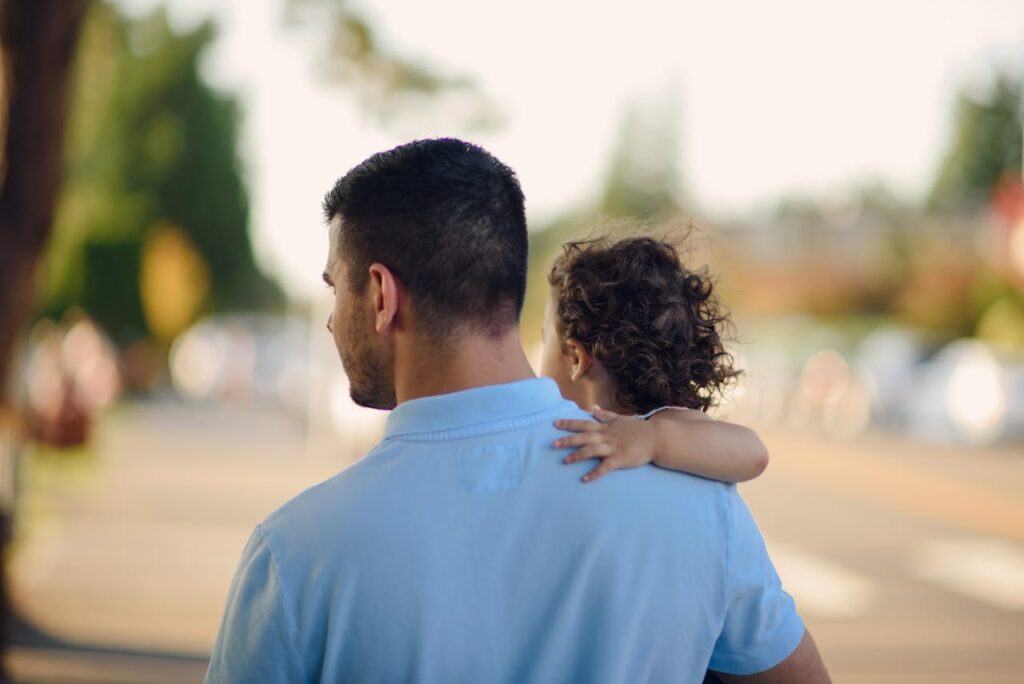
Fatherhood is often portrayed as a time of pride, strength, and joy. But for many men, it also brings unexpected anxiety.
While conversations around postpartum mental health have expanded, fatherhood anxiety in men is still underrecognized and frequently misunderstood. But it’s more common than most people realize. Let’s learn more about why fatherhood anxiety in men happens and how to cope with it.
What Fatherhood Anxiety Looks Like
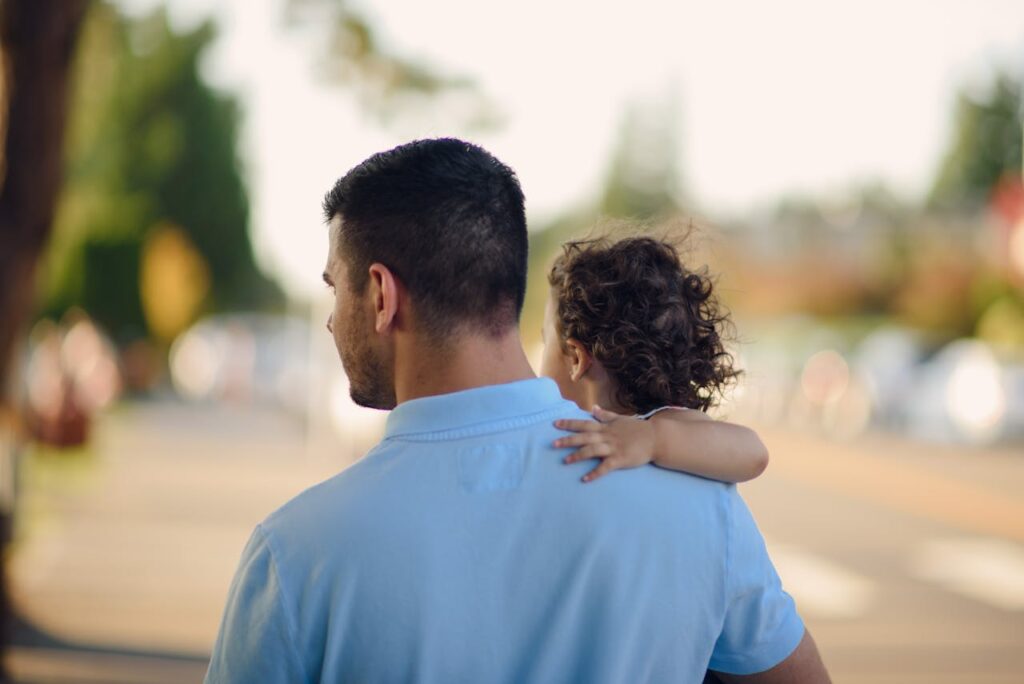
Fatherhood anxiety doesn’t always show up as obvious worry. In men, it often appears in subtle or socially acceptable ways. This can show up as the following:
- Constant fear of failing as a parent
- Overthinking decisions related to the baby or family
- Irritability, anger, or emotional withdrawal
- Feeling on edge or unable to relax
- Trouble sleeping, even when exhausted
Men are often taught to suppress vulnerability. This makes it easier for anxiety to go unrecognized or be misinterpreted as stress or burnout.
Why Becoming a Father Can Trigger Anxiety
The transition into fatherhood involves massive changes that can impact them emotionally, financially, relationally, and physically. Every new father’s situation is unique, but below are some common anxiety triggers.
Pressure to Provide
When welcoming a new baby into the home, many men feel an intense responsibility to be the financial and emotional protector of the family. This pressure can fuel chronic worry and self-doubt.
Fear of Doing It Wrong
Some men grew up without a father figure or knew that they wanted to do things differently from how they were raised. Without clear models of emotionally involved fatherhood, many men worry they won’t bond properly or will repeat negative patterns from their own upbringing.
Relationship Shifts
Changes in intimacy, attention, and routines can leave men feeling disconnected from their partner. They may also be unsure how to express how they feel about it.
Lack of Support
Men are less likely to have safe spaces to talk openly about emotional struggles. This makes the anxiety they’re experiencing feel even more isolating.
How Fatherhood Anxiety Differs from Everyday Stress
Stress tends to fluctuate with circumstances. Anxiety lingers. When left unaddressed, anxiety can impact bonding, relationships, and overall well-being. Below are some signs that anxiety may be more than just adjustment stress:
- Persistent worry that doesn’t ease with reassurance
- Feeling emotionally numb or detached
- Avoiding parenting tasks out of fear of messing up
- Physical symptoms such as headaches, chest tightness, or digestive issues
Why Men Often Don’t Talk About It
Cultural expectations still frame men as strong, steady, and unaffected. Admitting anxiety can feel like admitting weakness or failure. Many men worry they’ll be judged, misunderstood, or dismissed. As a result, fatherhood anxiety often goes unnoticed, showing up as workaholism, irritability, or emotional distance rather than spoken fear.
Healthy Ways to Cope with Fatherhood Anxiety
Anxiety is a sign that someone cares, not that they’re a bad father. Learning to regulate anxiety helps fathers show up more fully for their families. The following are some helpful strategies that can help with coping:
- Normalizing that anxiety during major life transitions is common
- Practicing stress-reduction techniques, such as movement or breathing
- Sharing honestly with a trusted partner or friend
- Limiting comparison to other parents or social media
- Seeking professional mental health support
The Impact on Partners and Children
When fatherhood anxiety goes unaddressed, it can strain relationships and affect family dynamics. Children benefit from emotionally present caregivers, and partners benefit from shared emotional responsibility, not silent suffering. Addressing anxiety isn’t just a form of self-care; it’s family care.
You’re Not Alone
If you’re a father who is feeling anxious, overwhelmed, or disconnected, you’re not alone, and you don’t have to figure it out by yourself. Men’s therapy can help you understand your anxiety, build coping tools, and step into fatherhood with more confidence and calm.
Asking for help doesn’t make you less of a man. It makes you a stronger person. Contact our office to get started.